Climate–carbon feedbacks from the Arctic to carbon removal

Using geochemistry to understand carbon cycling in a warming Arctic and strengthen durable climate solutions.

I am an Earth and environmental scientist studying how carbon is mobilized, transformed and stabilized across natural and managed systems. I combine isotope, molecular and mineral geochemistry with field observations and spatial analysis to investigate climate–carbon feedbacks and durable carbon dioxide removal.

I am currently a Senior Research Scientist at Lithos Carbon, where I study enhanced rock weathering as a scalable carbon removal strategy. My work focuses on quantifying weathering rates and carbon removal efficiency, alkalinity export and long-term durability, as well as agronomic interactions and co-benefits—providing the scientific basis for rigorous monitoring and high-integrity carbon removal credits.

Alongside this work, I investigate how Arctic warming affects permafrost carbon mobilization, land–ocean carbon transfer, ocean acidification and the stability of the Greenland Ice Sheet. Using geochemical tracers and sedimentary archives, I reconstruct past climate and carbon-cycle responses to better constrain feedbacks under future warming.

This website presents my current and ongoing research, publications and broader scientific activities. To learn more about my work or discuss potential collaborations, please visit my LinkedIn profile or get in touch directly.

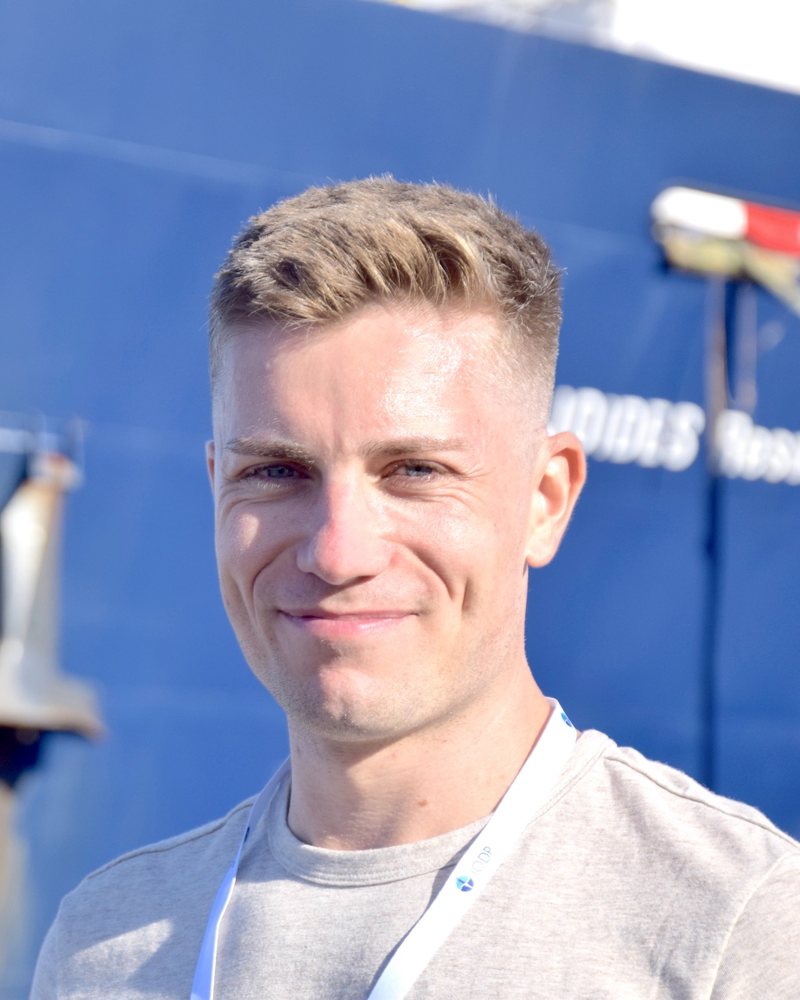
Portrait of Jannik Martens

Jannik Martens, PhD
Carbon removal & Arctic biogeochemistry

Research

From applied carbon removal in agricultural fields to the Arctic carbon cycle, past and present.

Lower latitudes Arctic river inflow CO₂, CH₄ erosion CO₂ sea ice terrestrial carbon CO₂ uptake drilling 1 Enhanced rock weathering 2 Permafrost carbon 3 Land–ocean carbon 4 Ocean acidification 5 Sediment records of past warming 6 Greenland Ice Sheet
From lower latitudes to the Arctic: select a number to jump to that research theme.

Enhanced rock weathering for large-scale carbon removal

Enhanced rock weathering is a carbon dioxide removal approach that accelerates the natural chemical weathering of silicate minerals by applying finely ground rock, such as basalt, to agricultural soils. As the rock dissolves, it generates alkalinity that can support long-term carbon storage while potentially providing benefits for soils and crops.

In my role as a Senior Research Scientist at Lithos Carbon, I study enhanced rock weathering across large-scale agricultural field deployments. I combine measurements of soils, porewaters and applied basalt with environmental data to quantify mineral weathering rates and determine how efficiently weathering translates into carbon dioxide removal. A central part of this work is tracing whether weathering products remain in the soil, form secondary minerals or leave the field as dissolved alkalinity. Understanding these pathways is essential for determining the amount and long-term durability of carbon removal.

Enhanced rock weathering also interacts with soil chemistry, microorganisms and agricultural systems. I investigate how basalt application affects nutrient availability, soil organic carbon cycling and other agronomic outcomes, including potential co-benefits and trade-offs. By evaluating carbon removal alongside its environmental and agricultural effects, this research aims to improve monitoring, reporting and verification and strengthen the climate integrity of enhanced rock weathering carbon-removal credits.
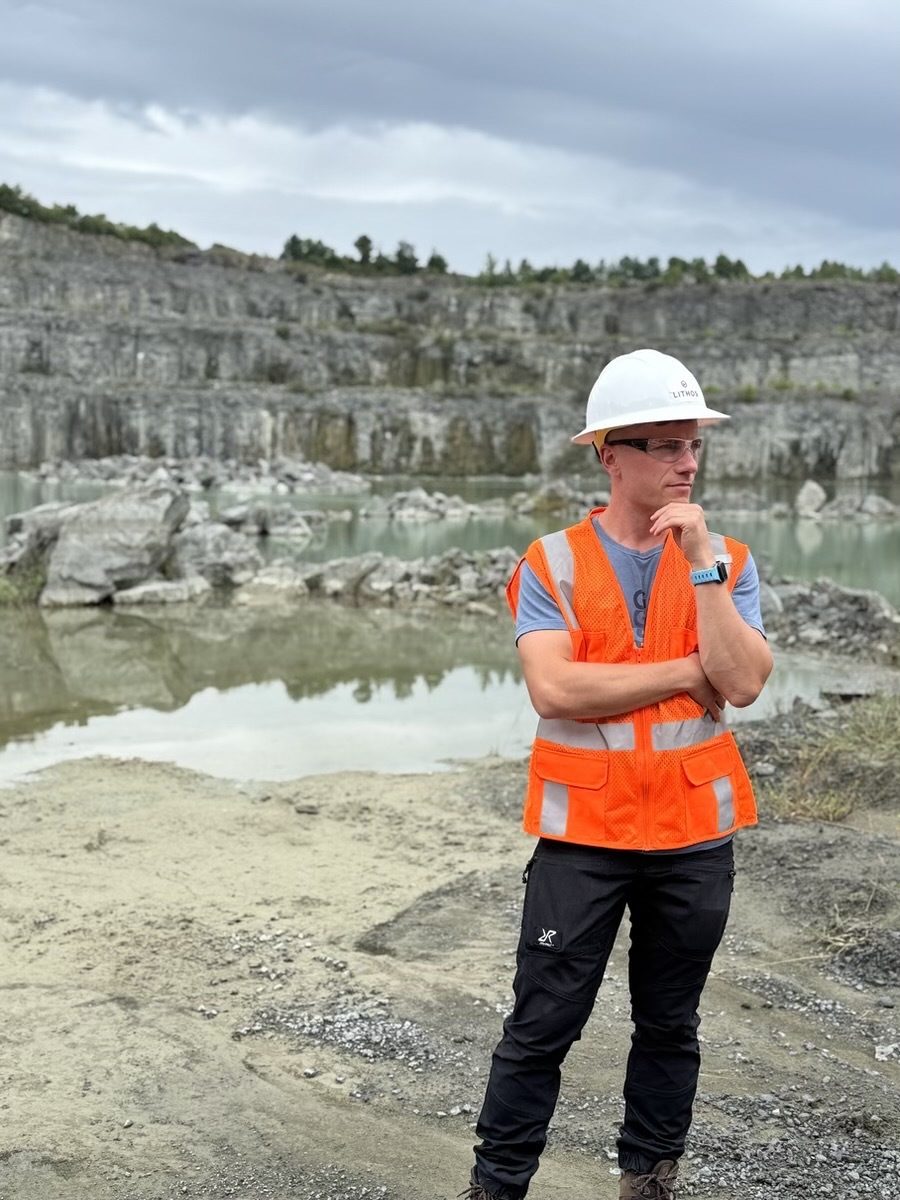
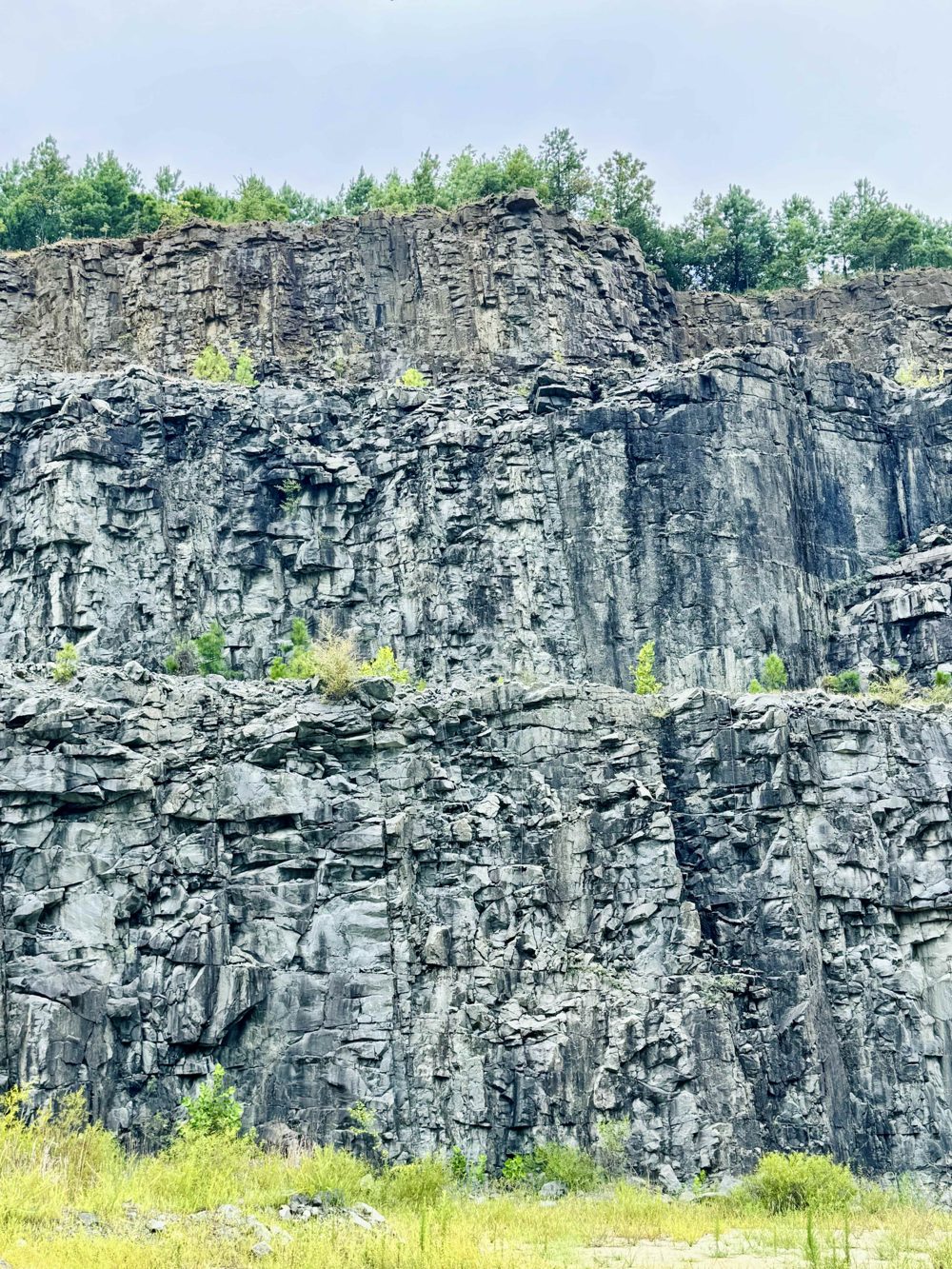
Jannik Martens at a basalt quarry
Basalt quarry face

Mineral and microbial controls on permafrost carbon stability

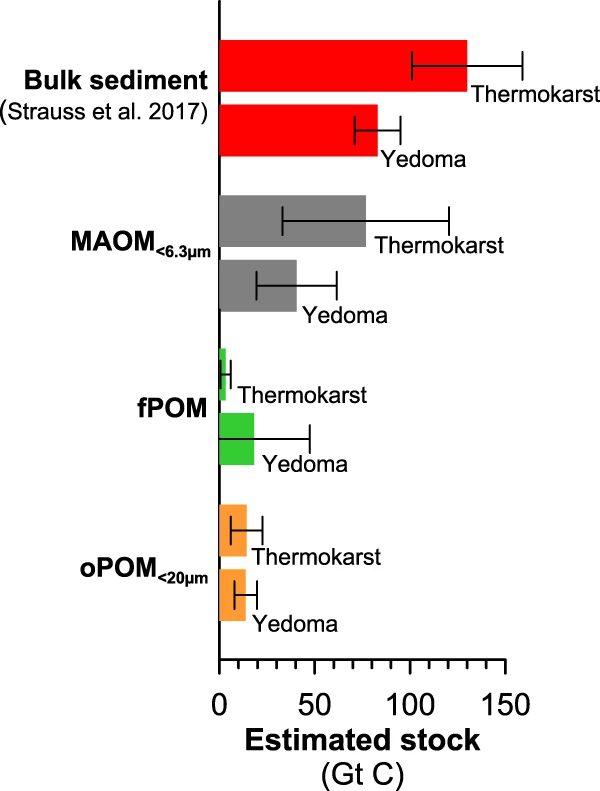
Arctic permafrost stores around 1,300 billion tonnes of organic carbon—roughly one and a half times the amount currently present in the atmosphere. Thaw can expose this ancient carbon to microbial degradation and greenhouse-gas release, but the strength of this feedback depends on how bioavailable the carbon is and whether associations with minerals protect it.

My research investigates how mineral interactions control the stability and bioavailability of permafrost carbon. Using geochemical analyses, mineral-selective extractions, Mössbauer spectroscopy and incubation experiments, we found that 33–74% of the organic carbon in Pleistocene permafrost was associated with fine-grained minerals. Reactive iron minerals provided particularly effective protection and reduced microbial CO₂ production after thawing (Martens et al., 2023).

Recent collaborative studies have further examined how interactions among minerals, enzymes and microbial communities regulate soil carbon stabilization. This work shows that mineral–enzyme interactions can promote organic carbon accumulation in permafrost soils (Zhu et al., 2025), while temperature-dependent interactions between iron minerals and microbial enzymes influence carbon stabilization across climatic gradients (Guo et al., 2026). Understanding how these coupled mineral and biological processes respond to warming is essential for predicting the permafrost-carbon climate feedback.

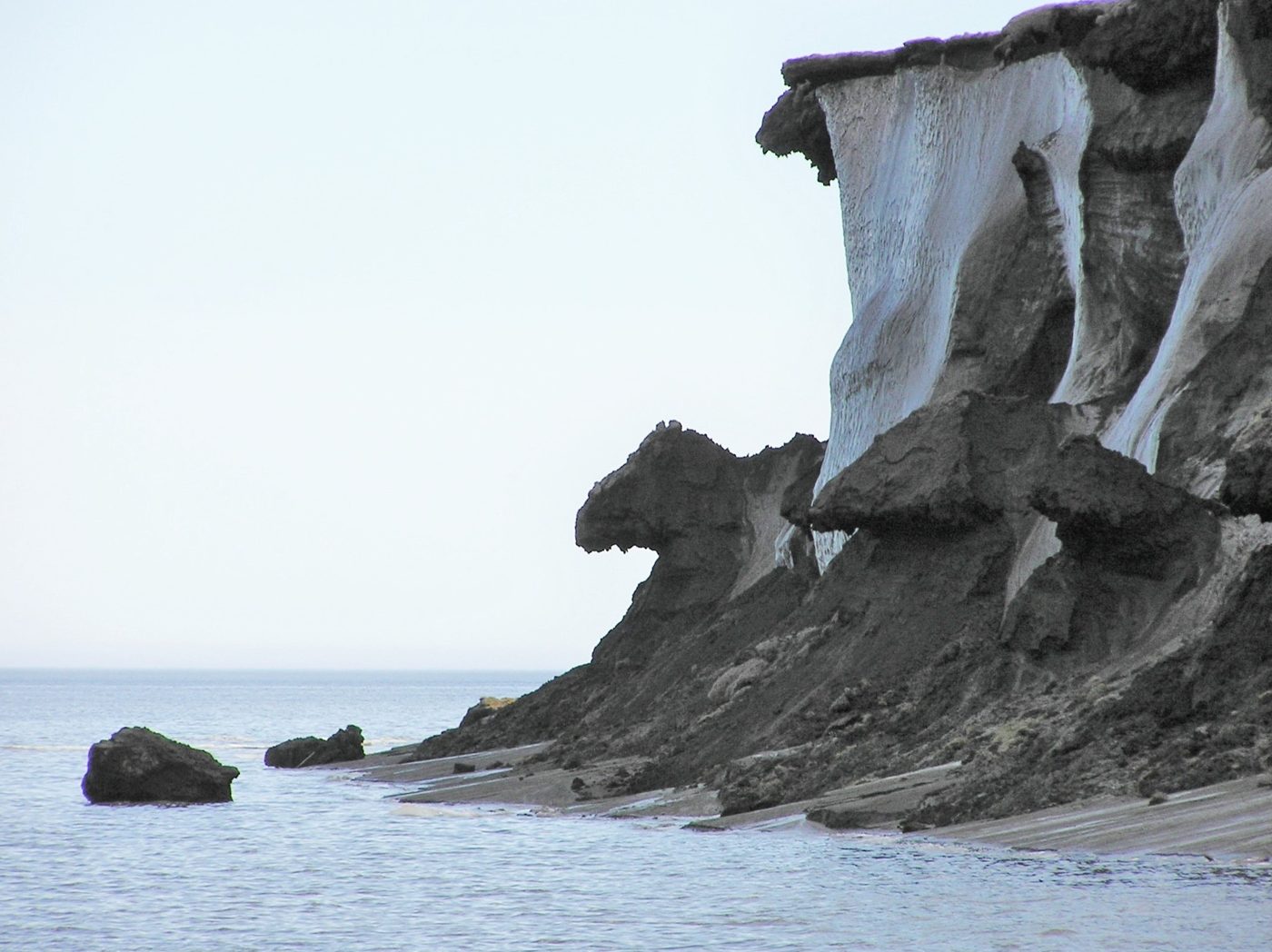
Eroding permafrost bluff on an Arctic coast
Bar chart of estimated organic carbon stocks in permafrost fractions
Martens et al. (2023), Nature Communications

Circum-Arctic carbon cycling today

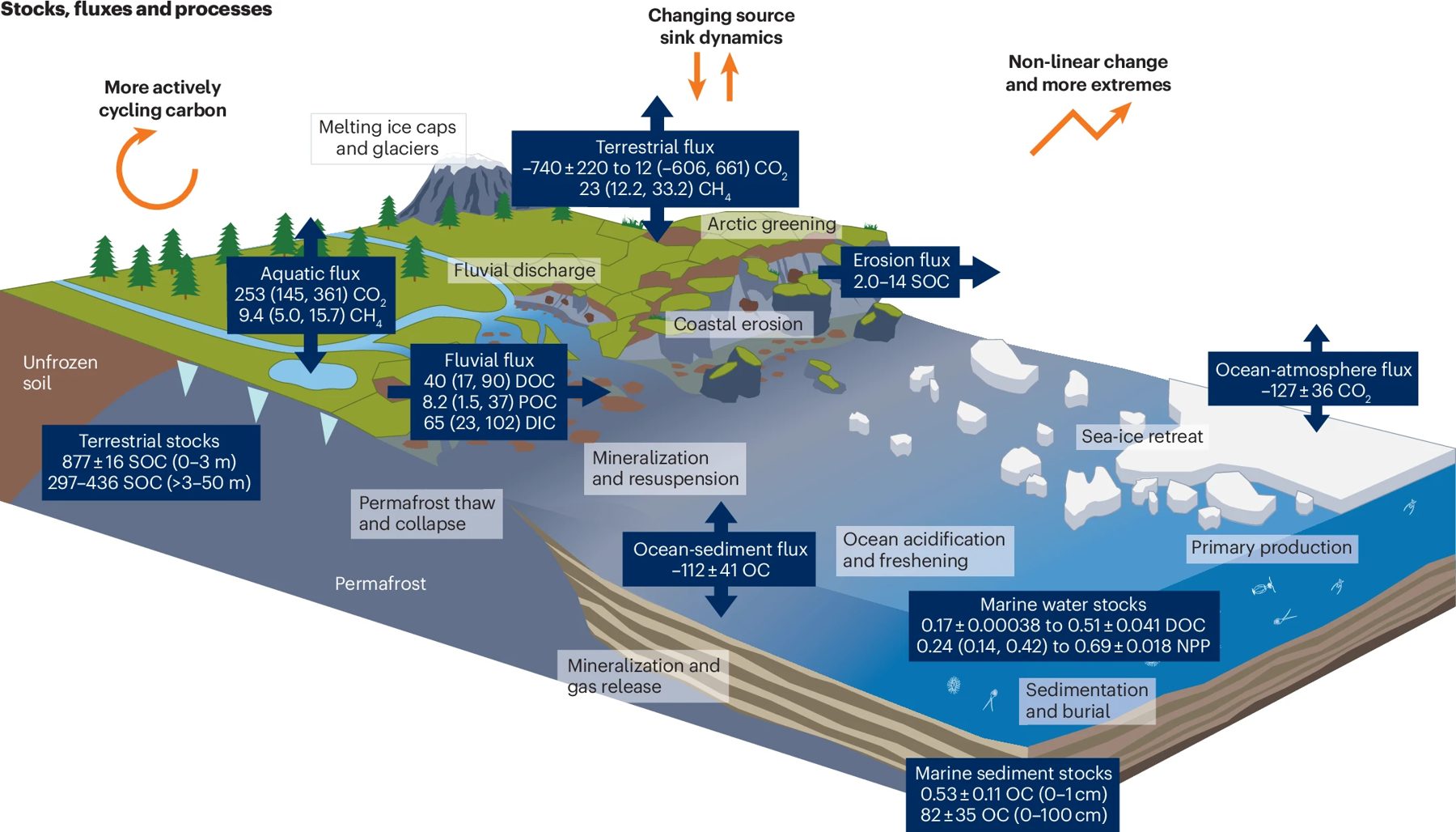
Arctic warming destabilizes high-latitude soils and permafrost, mobilizing terrestrial carbon through rivers and coastal erosion into the Arctic Ocean. However, large uncertainties remain regarding how much carbon is released, where it originates and what happens to it during transport. To address these questions, I contributed to an international effort to create the Circum-Arctic Sediment Carbon DatabasE (CASCADE; Martens et al., 2021). The database combines observations of organic carbon, stable and radiocarbon isotopes, and terrestrial biomarkers in Arctic Ocean sediments, using the ocean as a receptor system for tracing carbon mobilization from land.

Using CASCADE together with spatial analysis and dual-isotope source apportionment, I investigated how terrestrial carbon release, transport and remineralization vary across the circum-Arctic drainage basin. This work revealed strong regional differences in the mobilization of carbon from soils, peatlands and permafrost, as well as in its transport to and transformation within the Arctic Ocean (Martens et al., 2022). More recently, I contributed to a synthesis of the land–ocean Arctic carbon cycle that connects carbon release on land with its transport, transformation, greenhouse-gas production and burial in the ocean (Vonk et al., 2025).

Schematic of the land–ocean Arctic carbon cycle with stocks and fluxes
The land–ocean Arctic carbon cycle. Vonk et al. (2025), Nature Reviews Earth & Environment

Arctic Ocean carbon cycling in a warming climate

The Arctic Ocean carbon cycle is influenced by both the uptake of atmospheric CO₂ and the transfer of terrestrial carbon from rivers, coastal erosion and thawing permafrost. Once this terrestrial organic carbon enters the ocean, it can be transported, buried or decomposed by microorganisms, releasing additional CO₂ and contributing to ocean acidification. Changes in sea ice, ocean circulation and biological productivity further affect how carbon is transformed and stored.

My research examines how these interacting processes have changed through time using geochemical signals preserved in marine sediments. I use boron isotopes in foraminifera to reconstruct past seawater pH and investigate how ocean circulation and carbon storage responded to glacial–interglacial climate change. In a recent collaborative study, boron isotopes revealed lower deep-ocean pH and reduced ventilation of the Arctic Ocean during the last glacial period (Farmer et al., 2026).

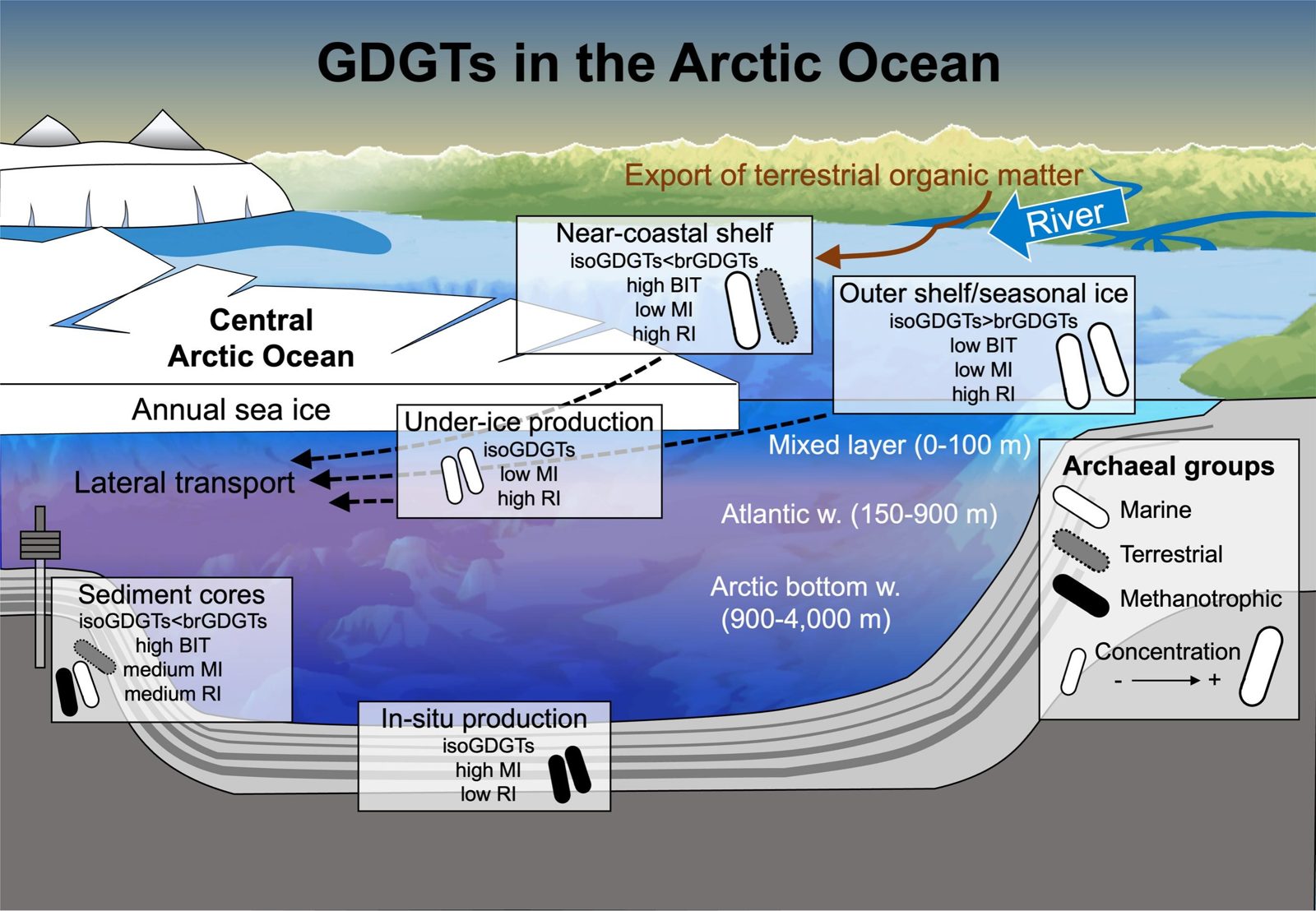
I also study glycerol dialkyl glycerol tetraethers, or GDGTs—microbial membrane lipids that provide information about biological activity and past ocean conditions. My recent work showed that GDGT distributions in central Arctic Ocean sediments reflect a combination of lateral transport, terrestrial inputs and microbial production within the sediments. These processes complicate their use as temperature proxies, but some GDGT groups may provide information about past changes in Arctic biological productivity (Martens et al., 2026). Together, these approaches help reveal how atmospheric forcing, land–ocean carbon transfer and internal ocean processes shape the Arctic carbon cycle.

Schematic of GDGT sources and transport in the central Arctic Ocean
GDGTs in the Arctic Ocean. Martens et al. (2026), Geochimica et Cosmochimica Acta
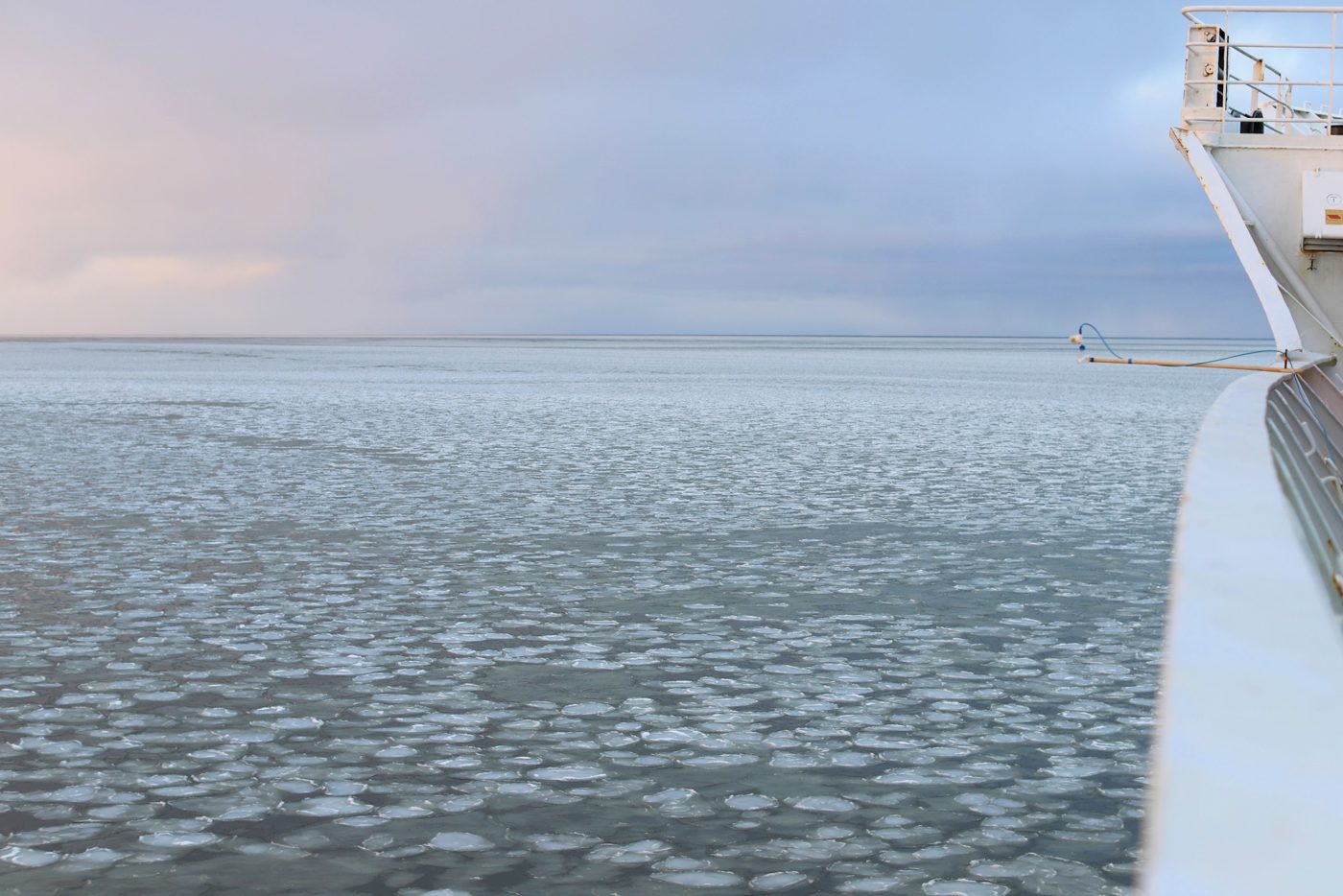
Sea ice seen from the deck of a research vessel

Permafrost carbon release during past warming events

The focus of my work as a PhD student was to study past changes in carbon release from terrestrial systems to understand their potential for future perturbations in the global carbon cycle. As part of this research, I analyzed sediment archives to reconstruct the climate sensitivity of Arctic permafrost and organic carbon release to the Arctic Ocean during past warming events, such as the last glacial termination. This work resulted in two studies published in Global Biogeochemical Cycles (Martens et al., 2019) and Science Advances (Martens et al., 2020), in which we studied carbon isotopes (δ13C, Δ14C) and terrestrial biomarkers (such as plant lipids, e.g. n-alkanes and n-alkanoic acids, as well as lignin phenols) in marine sediment cores from the Arctic Ocean. The results revealed massive permafrost carbon release during three warming events documented in Greenland ice cores, suggesting that a few degrees Celsius of climate warming may be sufficient to trigger large-scale permafrost thaw. This work provides a paleo-reference for the potential future carbon release from permafrost in response to anthropogenic climate change.

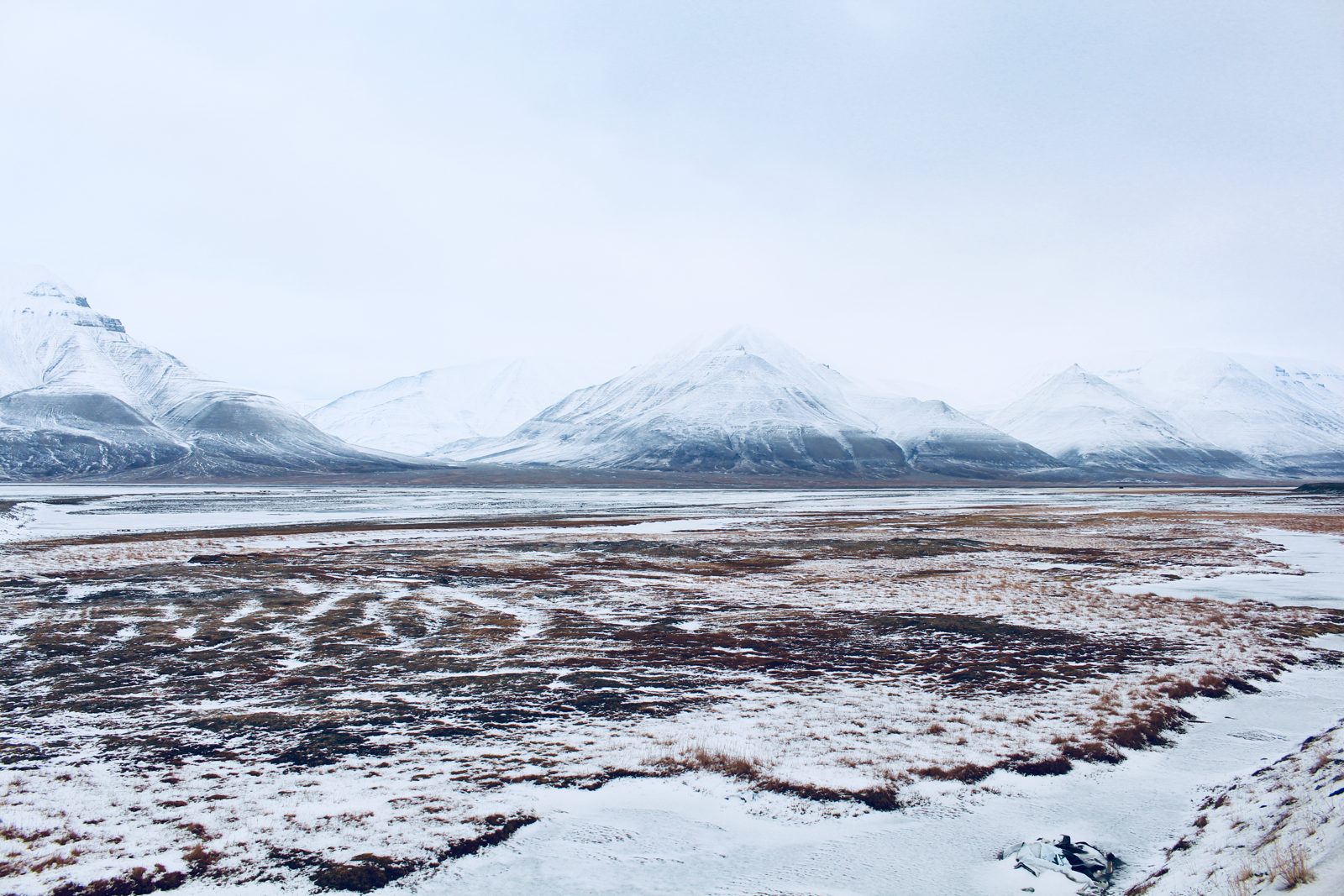
Snow-covered tundra and mountains

Unveiling the Greenland Ice Sheet in a warming climate: Exploring its past and projecting its future

The Greenland Ice Sheet holds a significant amount of freshwater, equivalent to approximately 7.4 meters of potential global sea level rise. Recent research highlights its sensitivity to climate warming and the resulting impact on sea levels and ocean circulations. However, data limitations hinder our understanding of the ice sheet's response to major climate changes, restricting our ability to predict future sea level rise and climate feedback. To address this, I am participating in Expedition 400 of the International Ocean Discovery Program (IODP) to NW Greenland (Baffin Bay) aboard the JOIDES Resolution from August 13th to October 13th, 2023. Expedition 400 aims to recover sediment archives with high temporal resolution, documenting the climate history and variability of the Greenland Ice Sheet over the past 30 million years. Subsequent post-cruise research on these sediment cores will involve utilizing geochemical proxies to trace temperature and precipitation. Additionally, analysis of microfossils (foraminifera) will uncover connections between the Arctic Ocean, North Atlantic, and the Greenland Ice Sheet. Our findings will shed light on the factors influencing the Greenland Ice Sheet, thus contributing to enhanced predictions of global sea level rise amidst ongoing Arctic and global warming.

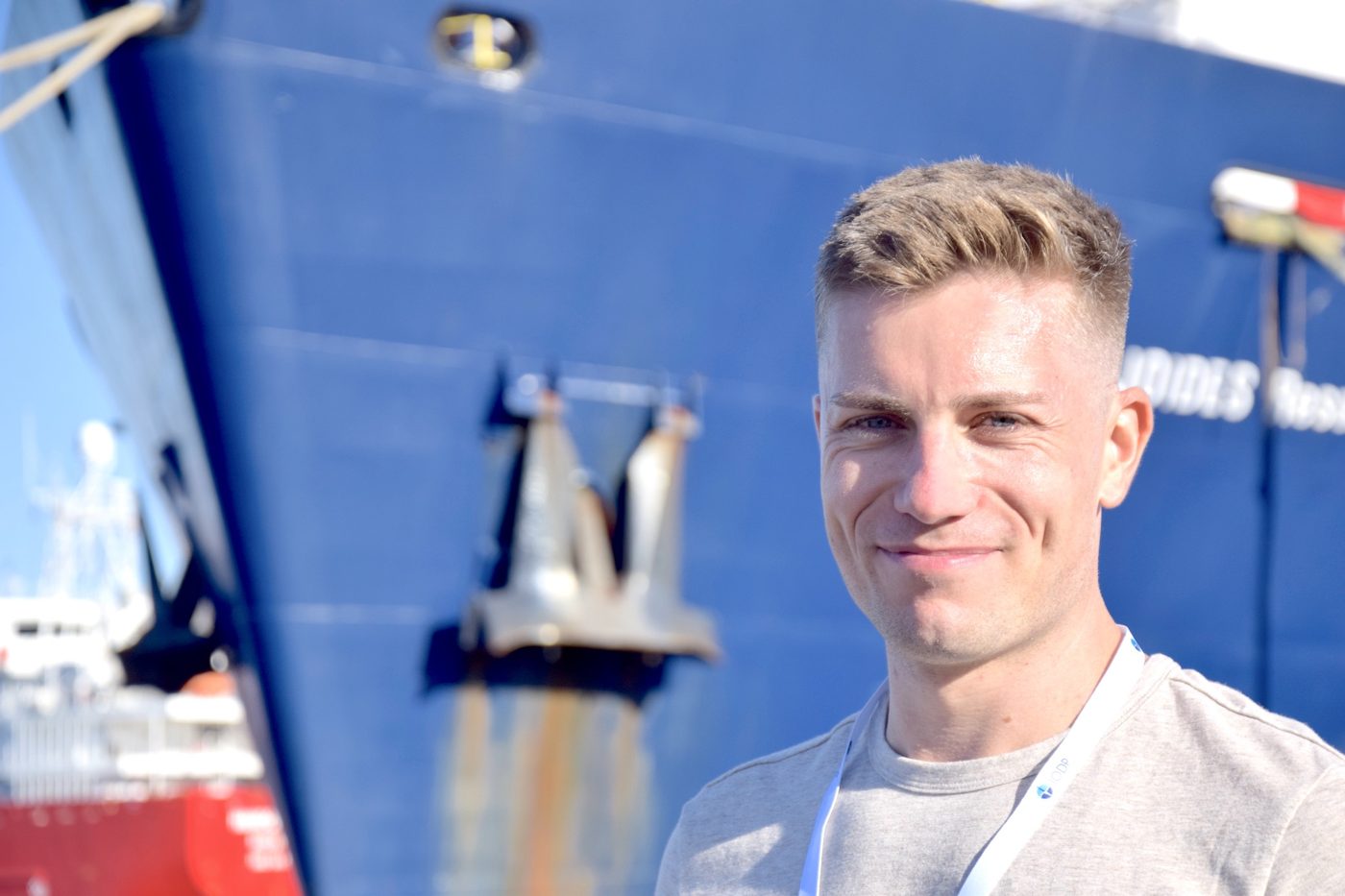
Jannik Martens in front of the JOIDES Resolution
IODP Expedition 400 aboard the JOIDES Resolution, 2023

Publications

Peer-reviewed articles. Full profile on Google Scholar.

About

Trained in Cologne and Stockholm, then Columbia's Lamont-Doherty Earth Observatory, now working on carbon removal at Lithos Carbon.

Research appointments

2025 – now
Senior Research ScientistLithos Carbon Inc.
2022 – 2025
Postdoctoral Research Fellow and ScientistLamont-Doherty Earth Observatory, Columbia University
2022 – 2024
Adjunct Postdoctoral ScientistDept. of Environmental Science, Stockholm University
2021 – 2022
Postdoctoral Research FellowDept. of Environmental Science, Stockholm University
2016 – 2021
Graduate Research AssistantDept. of Environmental Science, Stockholm University
2015 – 2016
Research AssistantInstitute of Geology and Mineralogy, University of Cologne

Education

2021
PhD, Applied Environmental ScienceBiogeochemistry Research Group, Stockholm University, Sweden
2016
MSc, Quaternary ScienceInstitute of Geology and Mineralogy, University of Cologne, Germany
2014
BSc, Physical Geography, Geology and BiologyGeographical Institute, University of Cologne, Germany

Funding and awards

2024 – 2025
NSF U.S. Science Support Program post-expedition award$20,000 · PI
2022 – 2024
Swedish Research Council International Postdoc Grant3.5 M SEK (≈ $350,000) · PI
2022 – 2023
LDEO Climate Center grant$11,000 · co-PI with S. Hurley
2022 – 2023
Columbia Climate School Undergraduate Research Assistant grant$5,160 · co-PI with S. Hurley
2023
Arctic Ocean Expedition proposalSwedish Polar Research Secretariat (expedition cancelled)

Seagoing and field experience

2023 · 9 wk
IODP Expedition 400, NW GreenlandR/V JOIDES Resolution, 13 Aug – 13 Oct
2020 · 6 wk
Arctic Ocean ExpeditionR/V Akademik M. Keldysh
2020 · 1 wk
Baltic Sea ExpeditionR/V Electra
2015 · 4 wk
Lena River Delta, SiberiaSamoylov Research Station

Outreach

Talking about Arctic change and ocean science with students and the public.

My Ocean Challenge

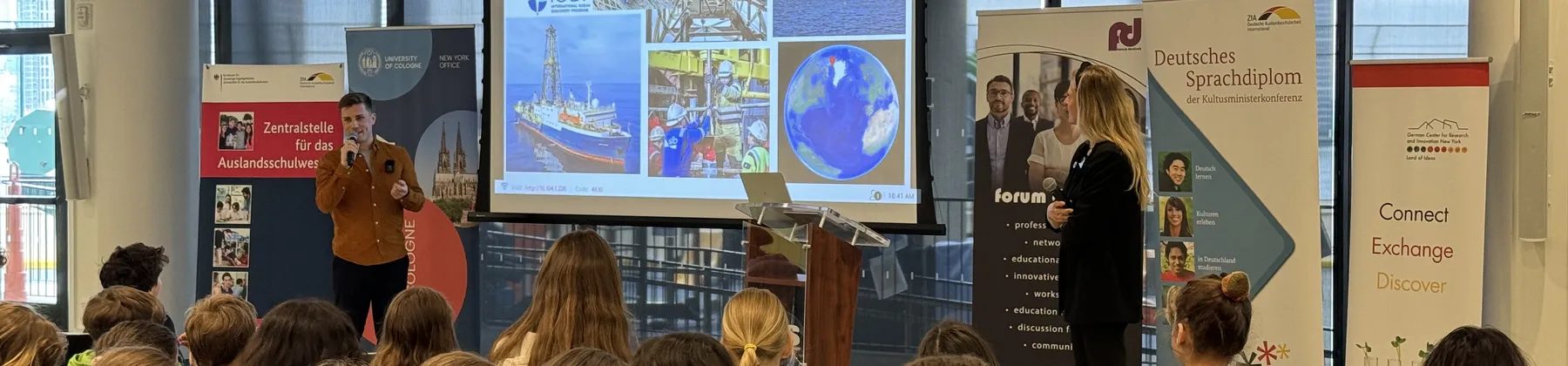
A hybrid event hosted by Team Malizia at the United Nations International School in Manhattan, with about 100 students in person and 300 joining virtually from across the U.S., the Caribbean and Germany, on why climate and ocean research matters.

Transatlantic Tandem Talk

Invited panelist on the effects of Arctic climate change at a public event organized by the University of Cologne NYC Office.